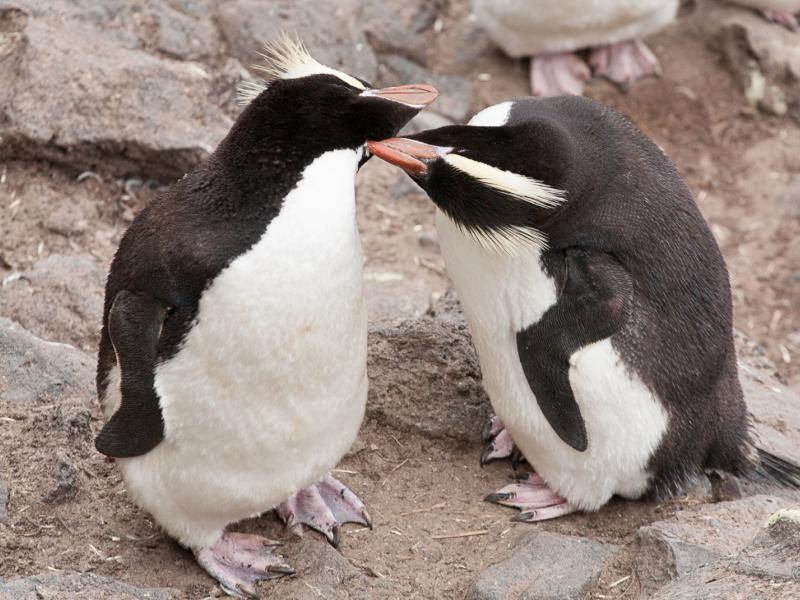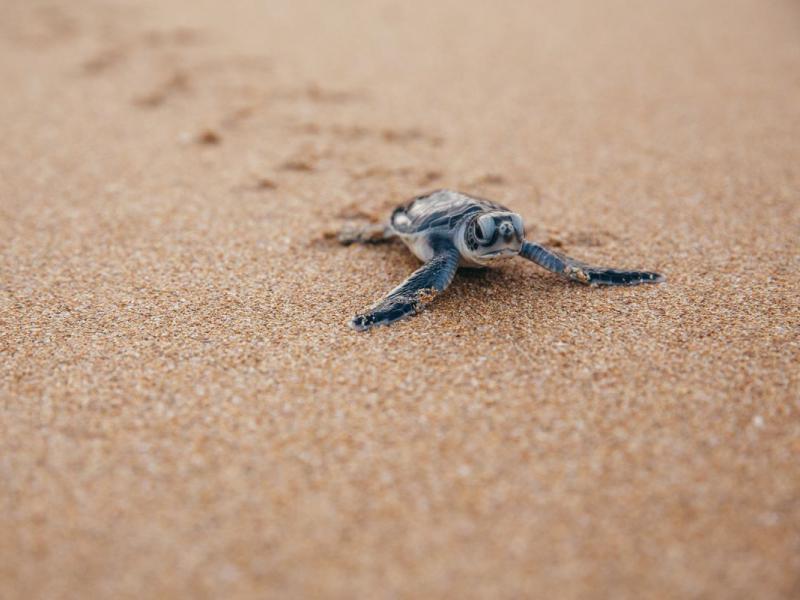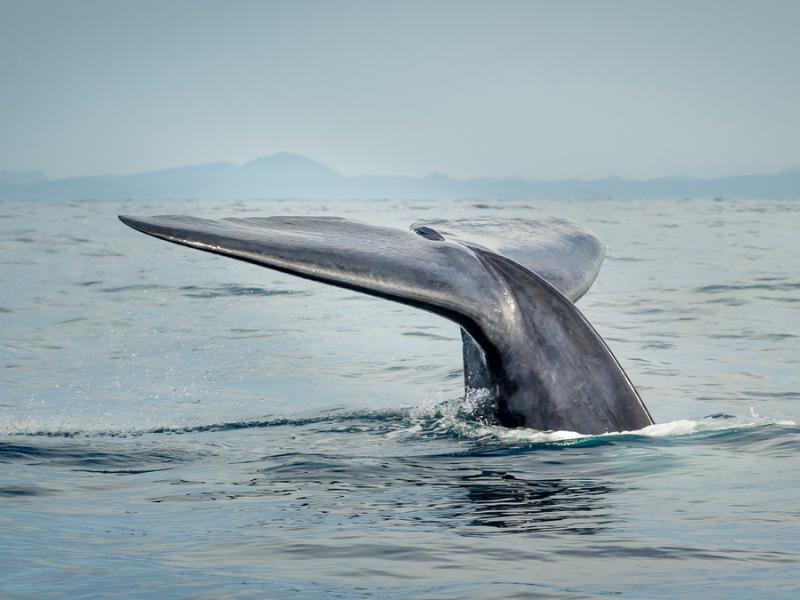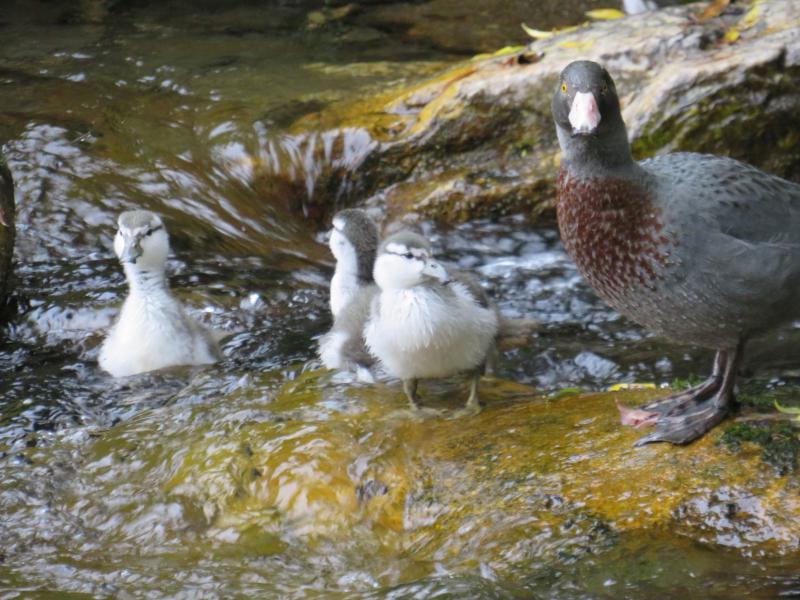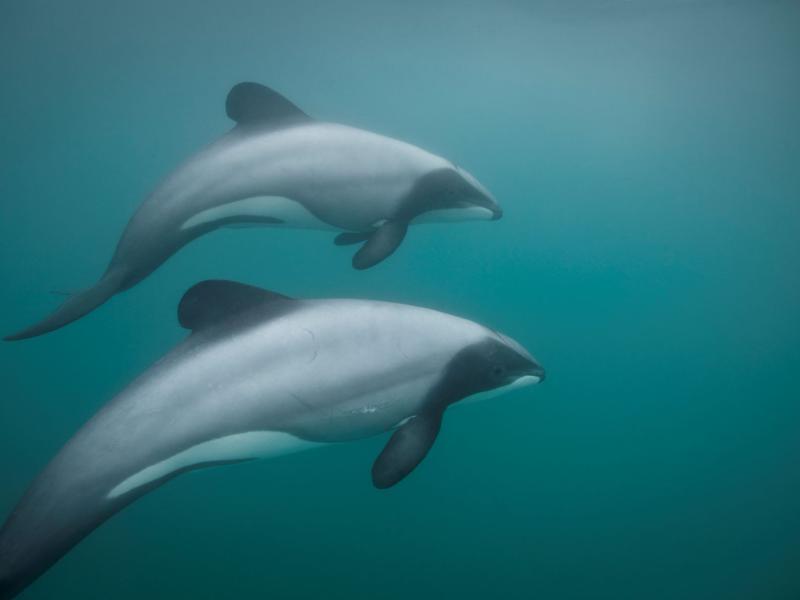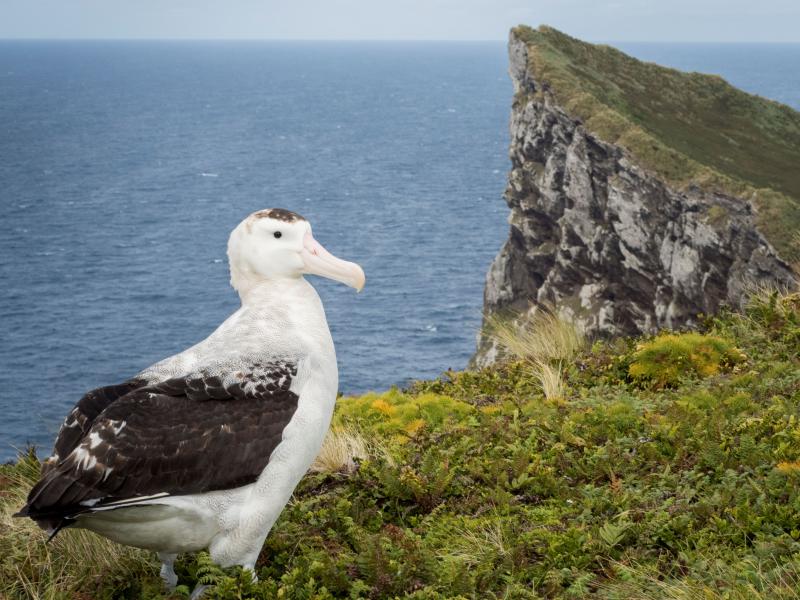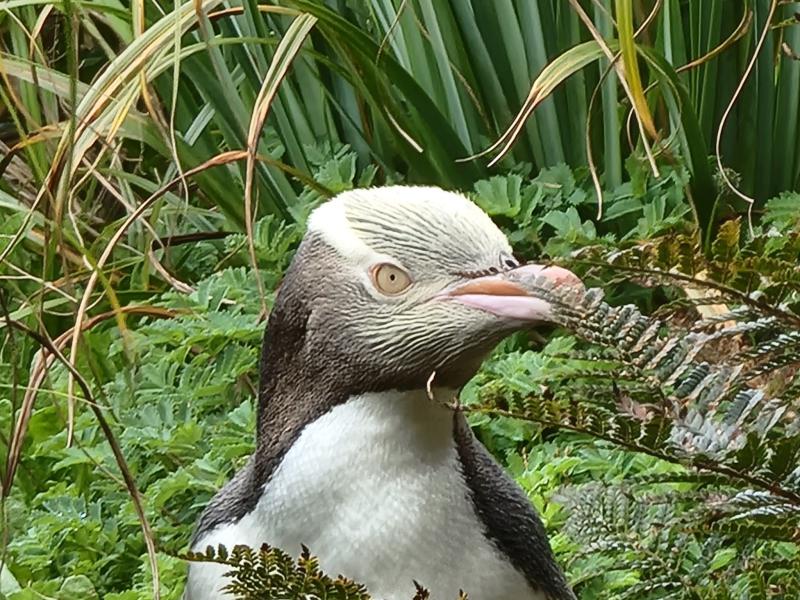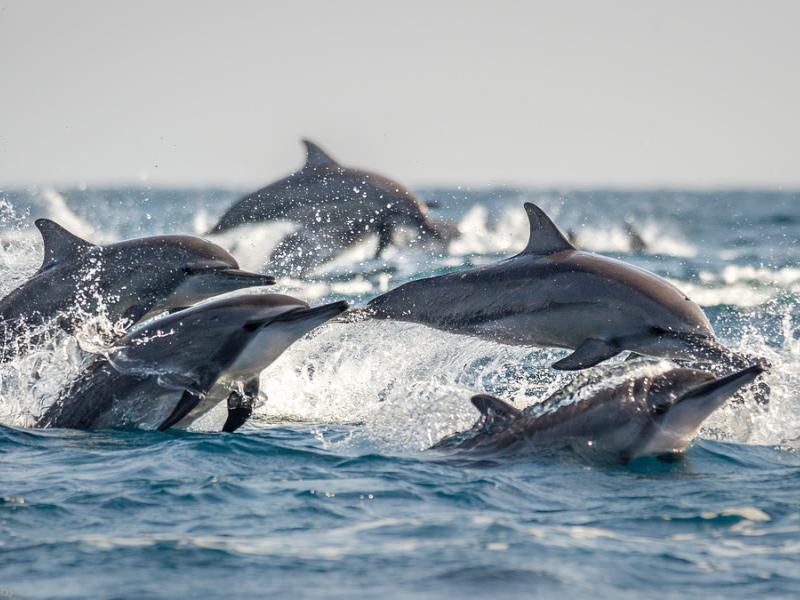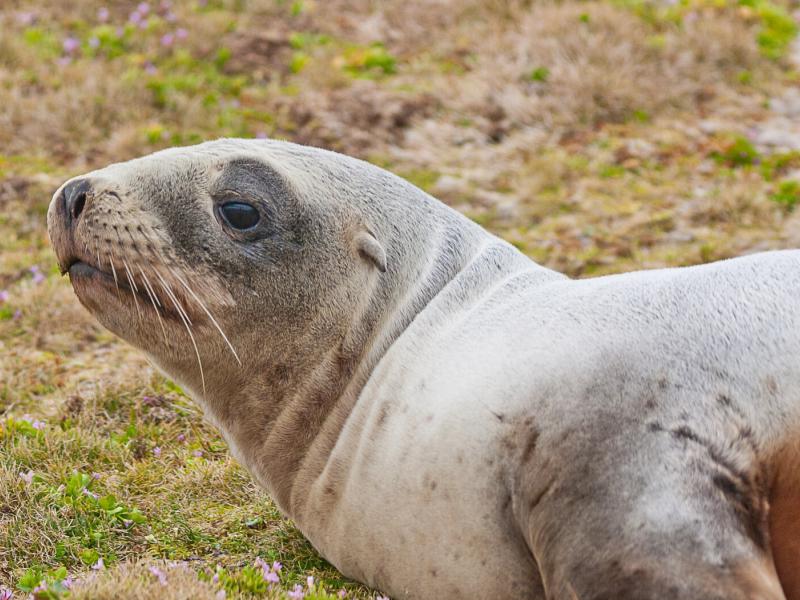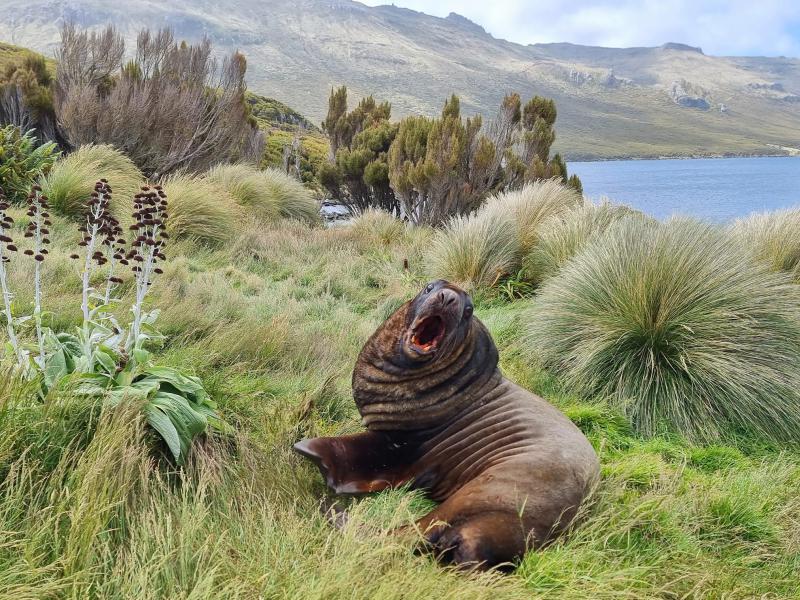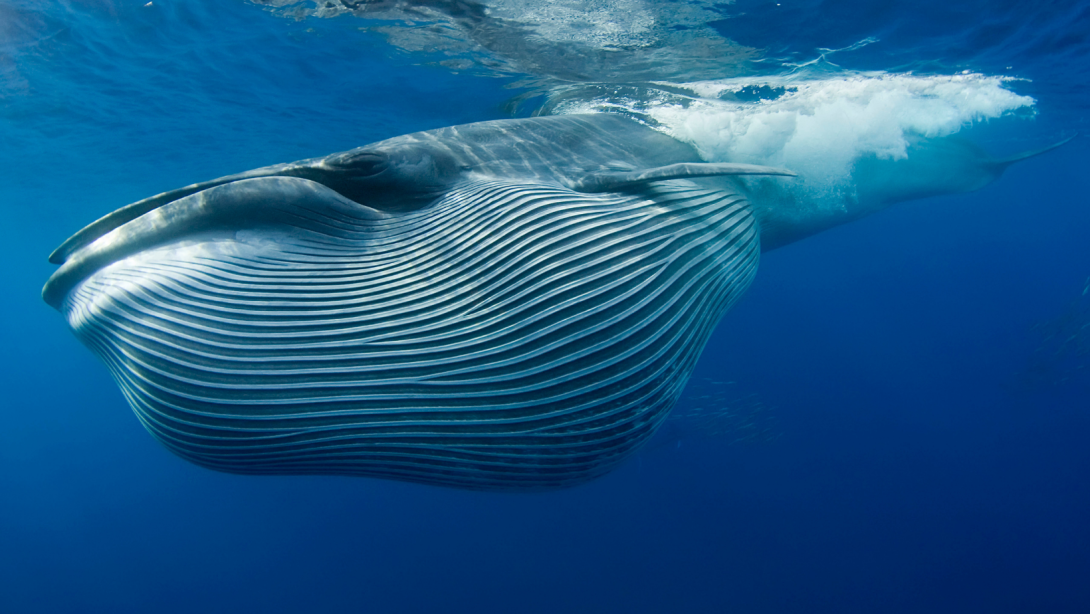
Aotearoa New Zealand is home to some of the most distinctive wildlife on Earth. Our native species are deeply woven into our culture, identity and sense of place as Kiwis, with many species found nowhere else in the world.
Because New Zealand evolved in isolation for millions of years, our plants and animals developed in extraordinary ways. Around 80% of native plants, over 90% of insects, 90% of freshwater fish, all native frogs and reptiles, and many of our birds are endemic, meaning Aotearoa is their only home.
But since human arrival, our native species have faced increasing pressure. Habitat loss, introduced predators, pollution and climate change have driven a steady decline in wildlife.
Today, we are in the midst of a global biodiversity crisis — and New Zealand has one of the highest extinction rates per capita in the world. Many of our most treasured species are now at risk. Across land, freshwater and ocean ecosystems, the scale of the challenge is stark:
94% of our reptile species, 82% of bird species, 80% of bat species, 76% of freshwater fish species, 22% of marine mammal species and 46% of vascular plant species are either facing extinction or are at risk of being threatened with extinction.
These species are taonga and once they are gone, they are gone forever.
What is WWF doing?
WWF-New Zealand has an ambitious goal: to reduce human-induced extinction risk for 400 threatened species and ecosystems, with zero future extinctions.
To achieve this, we work collaboratively with scientists, iwi, government and other organisations to conduct and support research, campaign for stronger environmental laws and protections, and advocate for policies that safeguard threatened species.
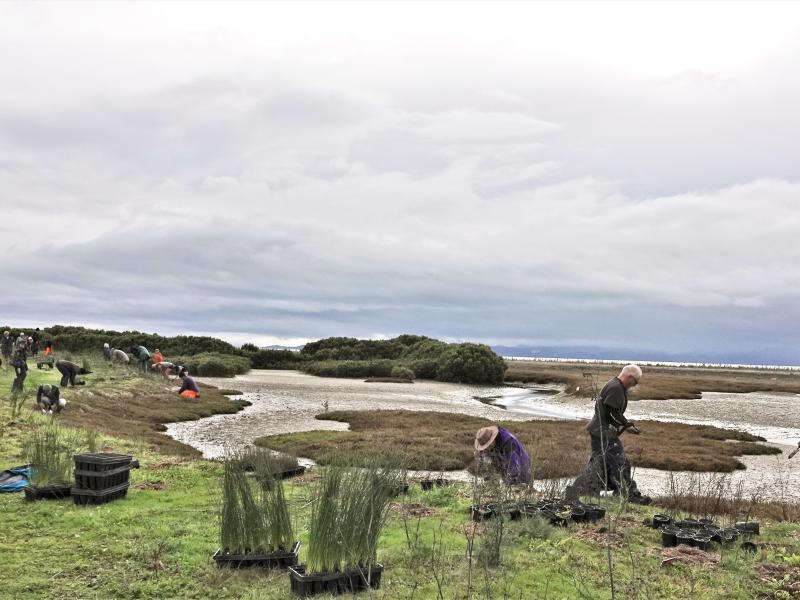
We also support local community groups who are doing incredible hands-on conservation work to restore habitats and help species recover.
From national advocacy to local action, we’re working to ensure New Zealand’s wildlife can thrive — now and into the future.