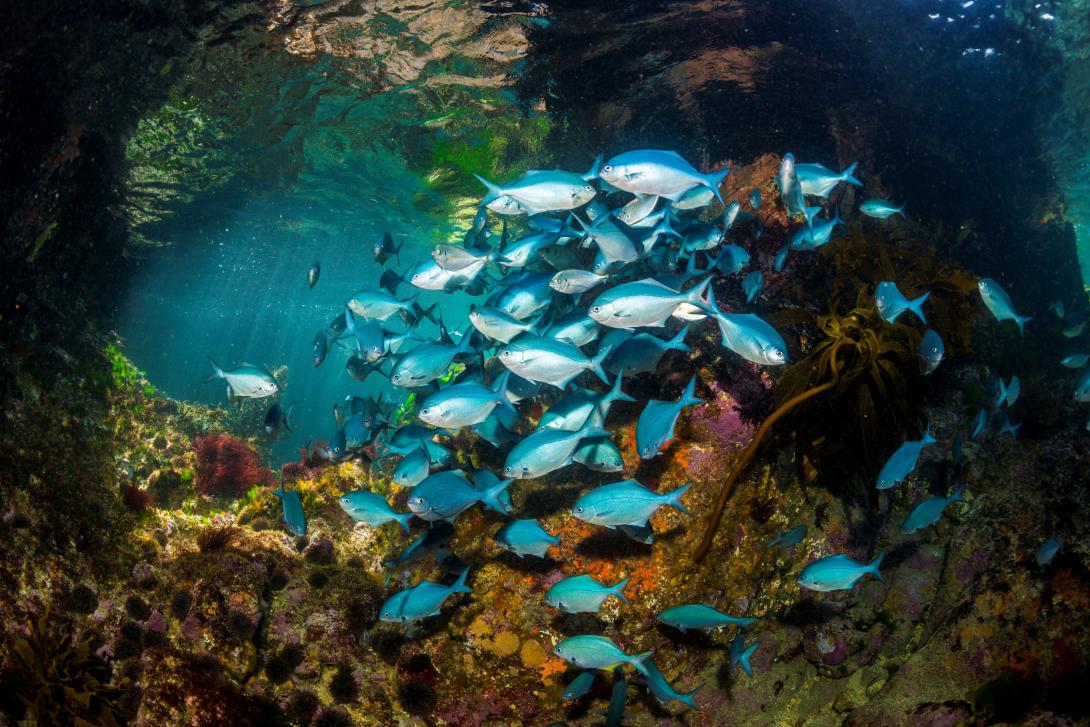
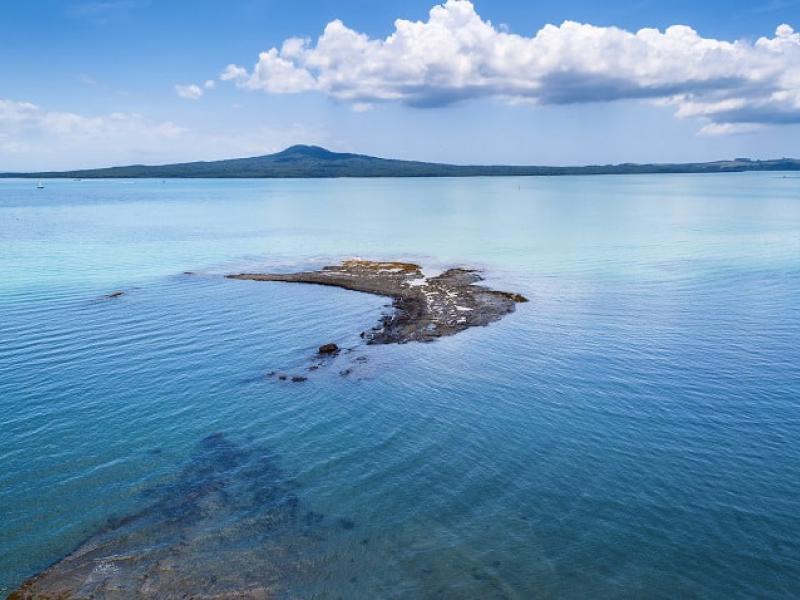
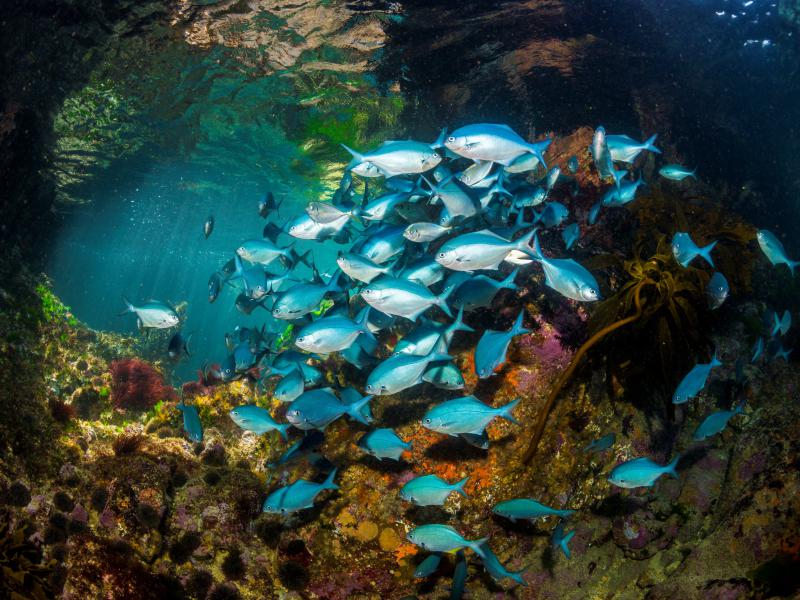
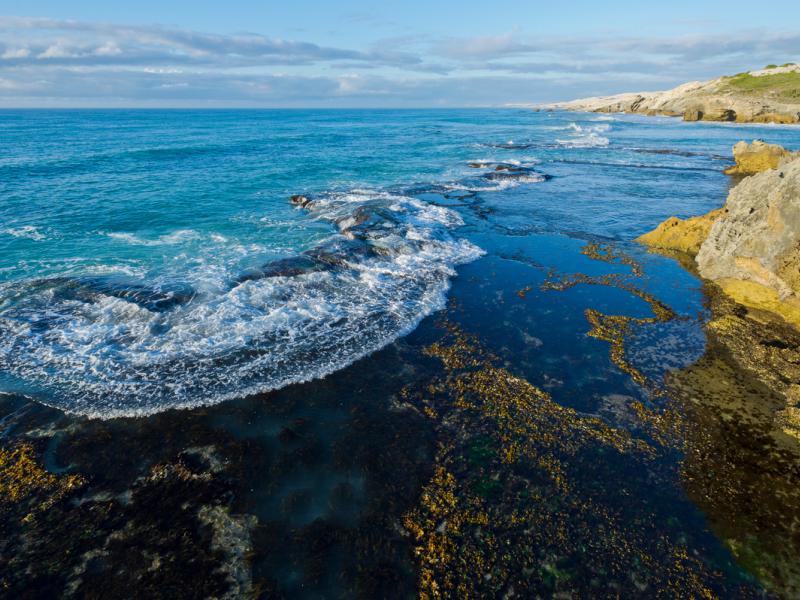
The Hauraki Gulf is on the brink of ecological collapse. Overfishing, habitat loss, pollution, sedimentation, and the effects of poorly planned urban development have led to a 57 percent decline in key fish stocks, a 67 percent decline in seabirds, and a 97 percent decline in whales and dolphins in the Gulf. Snapper and crayfish populations are functionally extinct in some areas.
The creation of new marine protected areas in the Hauraki Gulf is essential to protecting and restoring its environment, as well as benefitting the communities and industries that rely on the Gulf for their livelihoods.
The Hauraki Gulf/Tīkapa Moana Marine Protection Act will come into force before the end of 2025. This new legislation extends two marine reserves and creates five seafloor protection areas, and 12 high protection areas in the Hauraki Gulf.
The Bill is the result of years of collaborative work between tangata whenua, environmental groups, commercial and recreational fishers and others involved in the SeaChange process that began in 2013.
WWF has long advocated for expanded protections in the Gulf to turn the tide on nature loss, and this new legislation is an important step forward.
During the Act's passage through Parliament, the Government made a decision to amend the Bill to allow a type of fishing known as ring-netting to take place in two of the new high protection areas - zones explicitly designed to exclude both commercial and recreational fishing and provide a safe haven for marine life to recover.
WWF-New Zealand worked swiftly to launch an extensive campaign calling on the Government to reverse its decision. More than 32,000 people signed our open letter to the Prime Minister and nearly 10,000 people used our email tool to directly contact decision-makers voicing their concern.
Our fight to continue protecting this treasured place on Auckland’s doorstep is far from over.