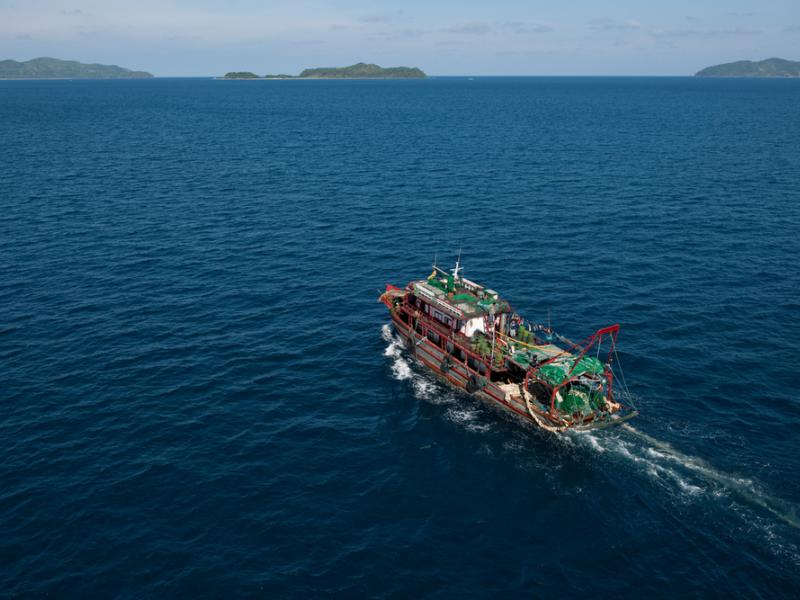
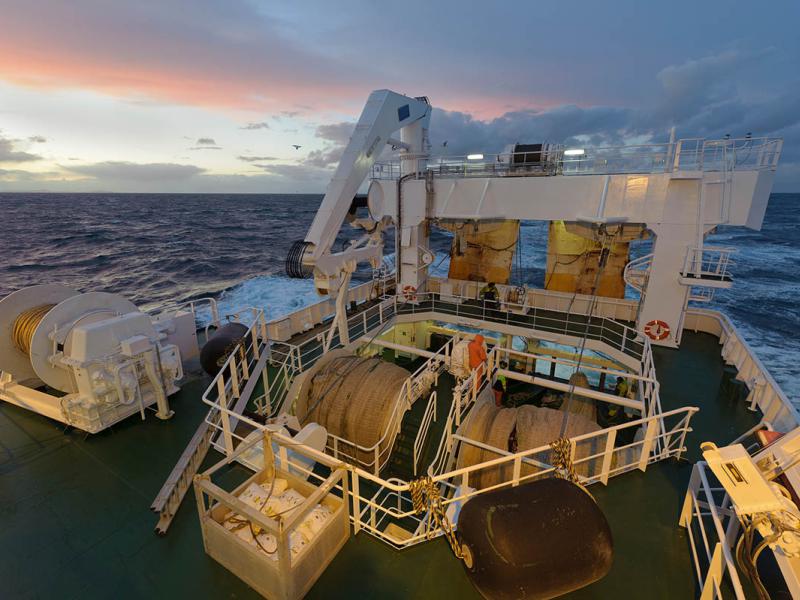
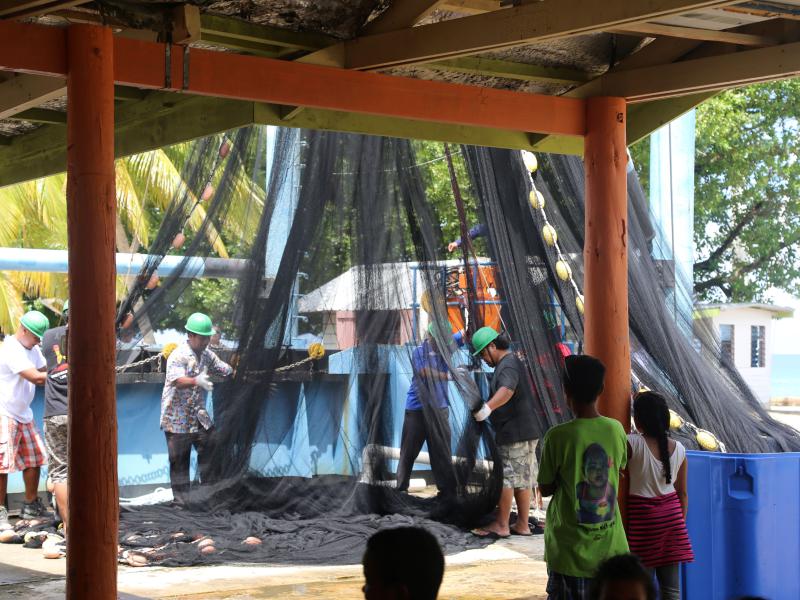
It is estimated that three-quarters of the world’s fisheries are fully exploited or overfished.
Each year inefficient, destructive and/or illegal fishing practices kill millions of fish and marine animals as unwanted bycatch.
Poor fisheries management, exacerbated by climate change, is the largest threat to ocean life and habitats ... and to the livelihoods and diets of more than a billion people.
WWF internationally
WWF has long campaigned for the sustainable management of the globe’s fisheries. Worldwide, WWF combines field, policy and market work in a strategic approach that focuses on:
1. Working with fishers to develop practical solutions to reduce bycatch.
2. Working with major buyers and traders so they buy only from fisheries that have adopted improved standards and approaches, and no longer buy from poorly managed and/or overfished fisheries.
3. Working with governments to limit fishing and restore ocean productivity by establishing policies for ecosystem-based management of fisheries.
4. Looking for ways to increase awareness among fishing sector investors and insurers, and working with them to develop and adopt business practices that reward sustainable fishing.
WWF in Oceania
In the Oceania region – covering New Zealand, Australia and the Pacific islands – WWF has three programmes for delivering sustainable fisheries:
• To ensure that Oceanic fisheries that are or would like to be certified by the Marine Stewardship Council practice the highest standard of sustainable fisheries management.
• To raise seafood consumers’ and retailers’ awareness of the origins of fish products, whether they have been fished sustainably and any associated conservation issues.
• To promote the adoption of ecosystem-based fisheries management.
Each year inefficient, destructive and/or illegal fishing practices kill millions of fish and marine animals as unwanted bycatch.
Poor fisheries management, exacerbated by climate change, is the largest threat to ocean life and habitats ... and to the livelihoods and diets of more than a billion people.
WWF internationally
WWF has long campaigned for the sustainable management of the globe’s fisheries. Worldwide, WWF combines field, policy and market work in a strategic approach that focuses on:
1. Working with fishers to develop practical solutions to reduce bycatch.
2. Working with major buyers and traders so they buy only from fisheries that have adopted improved standards and approaches, and no longer buy from poorly managed and/or overfished fisheries.
3. Working with governments to limit fishing and restore ocean productivity by establishing policies for ecosystem-based management of fisheries.
4. Looking for ways to increase awareness among fishing sector investors and insurers, and working with them to develop and adopt business practices that reward sustainable fishing.
WWF in Oceania
In the Oceania region – covering New Zealand, Australia and the Pacific islands – WWF has three programmes for delivering sustainable fisheries:
• To ensure that Oceanic fisheries that are or would like to be certified by the Marine Stewardship Council practice the highest standard of sustainable fisheries management.
• To raise seafood consumers’ and retailers’ awareness of the origins of fish products, whether they have been fished sustainably and any associated conservation issues.
• To promote the adoption of ecosystem-based fisheries management.